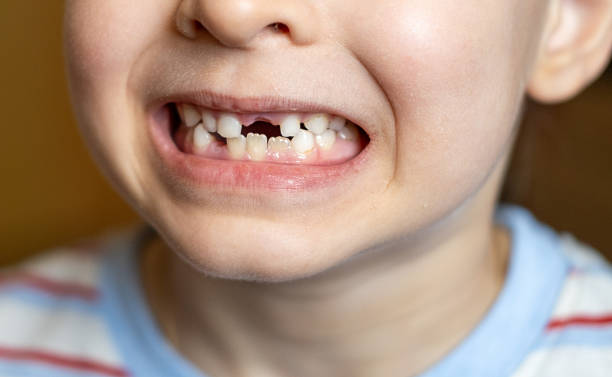
Baby teeth are important even though permanent teeth will eventually replace them. A decayed baby tooth can cause pain, sensitivity, difficulty chewing, or an infection if the damage becomes severe. Treatment depends on how much of the tooth is affected, where the decay is located, and how long the tooth is expected to remain in the mouth. Restorative dentistry in Santa Clarita can include treatments such as fillings or crowns to repair a damaged baby tooth and help it continue working normally. Treating decay early may also help prevent the problem from becoming more difficult to manage.
Why Treat a Decayed Baby Tooth?
A baby tooth helps a child chew food and can also help maintain space for the permanent tooth developing underneath. Losing a baby tooth too early because of severe decay may sometimes affect the space available for the adult tooth.
Restorative dentistry near you can help address decay before it causes more extensive damage. The appropriate treatment depends on the condition of the individual tooth.
Treatment may help:
- Remove areas affected by decay.
- Restore the tooth’s shape and function.
- Reduce the chance of pain from untreated decay.
- Protect a weakened tooth from further damage.
- Keep the tooth in place until it is naturally ready to fall out.
What Treatment Options Are Available?
The treatment used for a decayed baby tooth depends on the size and depth of the cavity.
Filling
A filling may be suitable when the decay has affected a smaller portion of the tooth and enough healthy tooth structure remains. The decayed area is removed, and the space is filled with a dental material.
Crown
A crown may be needed when a baby tooth has extensive decay or has lost much of its structure. It may also be used to protect the tooth after some treatments. A crown covers the remaining tooth and helps it keep working properly.
Pulp Treatment
If decay has reached the inner part of the tooth, a filling alone may not be enough. Pulp treatment may be considered to remove unhealthy tissue and preserve the tooth when possible.
How Is the Right Treatment Chosen?
A pediatric dentist in Santa Clarita can examine the tooth and determine how far the decay has progressed. An X-ray may also be recommended when more information is needed about the tooth and the surrounding area.
The decision may depend on:
- The size and location of the cavity
- How much healthy tooth structure remains
- Whether the tooth is causing pain or showing signs of infection
- How long the baby tooth is expected to remain
- The child’s overall dental needs
A tooth with only a small cavity may need a different restoration than a tooth with extensive damage.
Why Not Simply Remove the Decayed Tooth?
Extraction is sometimes necessary when a baby tooth is too damaged to be restored. However, removing a baby tooth is not always the first choice.
Keeping a baby tooth that can be repaired may help your child chew and keep the right amount of space for the adult tooth. If a baby tooth is removed too early, the dentist may check if extra care is needed to keep the space open.
This is why a pediatric dentist near you may recommend repairing a tooth when it can be safely restored rather than removing it automatically.
Can Decay Affect the Developing Permanent Tooth?
Severe infection or other problems involving a baby tooth can sometimes affect the developing permanent tooth underneath. The risk depends on the location and severity of the problem.
Early treatment can help prevent decay from progressing and may reduce the chance of complications. Regular dental visits also make it easier to identify cavities before they become extensive.
How Can Baby Teeth Be Protected After Treatment?
After a decayed tooth has been restored, daily care remains important. A filling or crown does not prevent new cavities from forming on other teeth.
Good habits include:
- Brushing twice a day with fluoride toothpaste
- Cleaning between teeth when recommended
- Limiting frequent sugary snacks and drinks
- Attending regular dental checkups
Following any specific care instructions after treatment
Give a Decayed Baby Tooth the Care It Needs!
A cavity does not always mean that a baby tooth needs to be removed. Restorative dentistry in Santa Clarita may offer different ways to fix a decayed tooth, depending o its condition and your child’s dental development. Smile Republic Pediatric Dentistry & Ortho can check the tooth and explain if a filling, crown, pulp treatment, or another option may be suitable.
Book an appointment to have your child’s tooth checked and learn about the available treatment options.
FAQs
What treatment options exist for a decayed baby tooth?
Treatment may include a filling, crown, pulp treatment, or extraction when the tooth cannot be restored. The choice depends on the amount of decay, the condition of the tooth, and how long it is expected to remain.
Is it worth treating a baby tooth that will eventually fall out?
Yes, a baby tooth may still need treatment even though it will eventually be replaced. Keeping it healthy can support chewing and help maintain space for the developing permanent tooth.
How do dentists decide between a filling and a crown for kids?
The choice depends mainly on how much of the tooth has been damaged. A filling may work for smaller areas of decay, while a crown may provide more coverage when a tooth has extensive damage or needs greater protection.
Can untreated decay in a baby tooth affect adult teeth?
Severe decay or infection in a baby tooth can sometimes affect the adult tooth growing underneath it. Checking and treating the problem early can help prevent it from getting worse.